Structure
Stall Specialist in Malaysia: Crafting the Heartbeat of Commerce and Community
Dec 5 2025

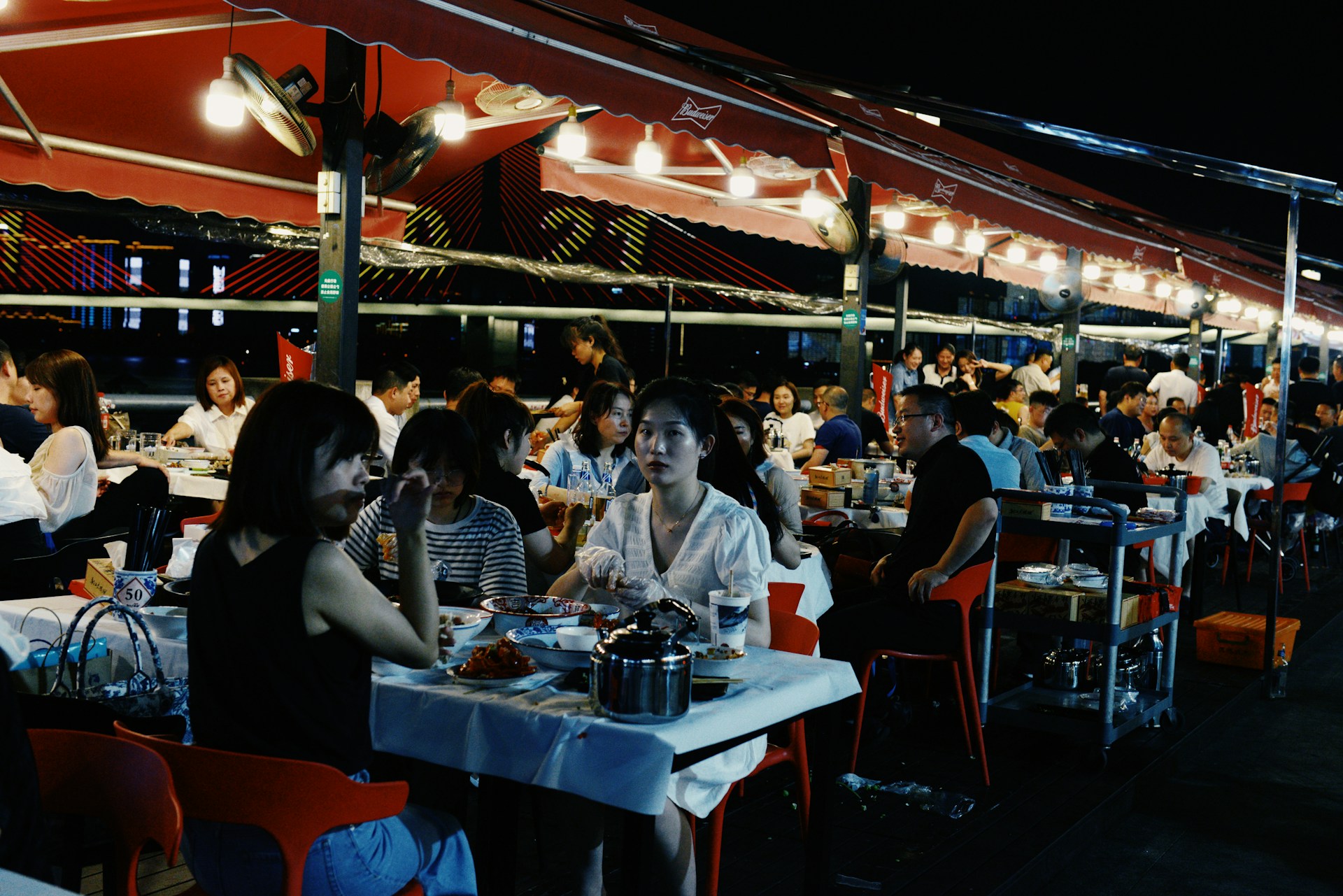
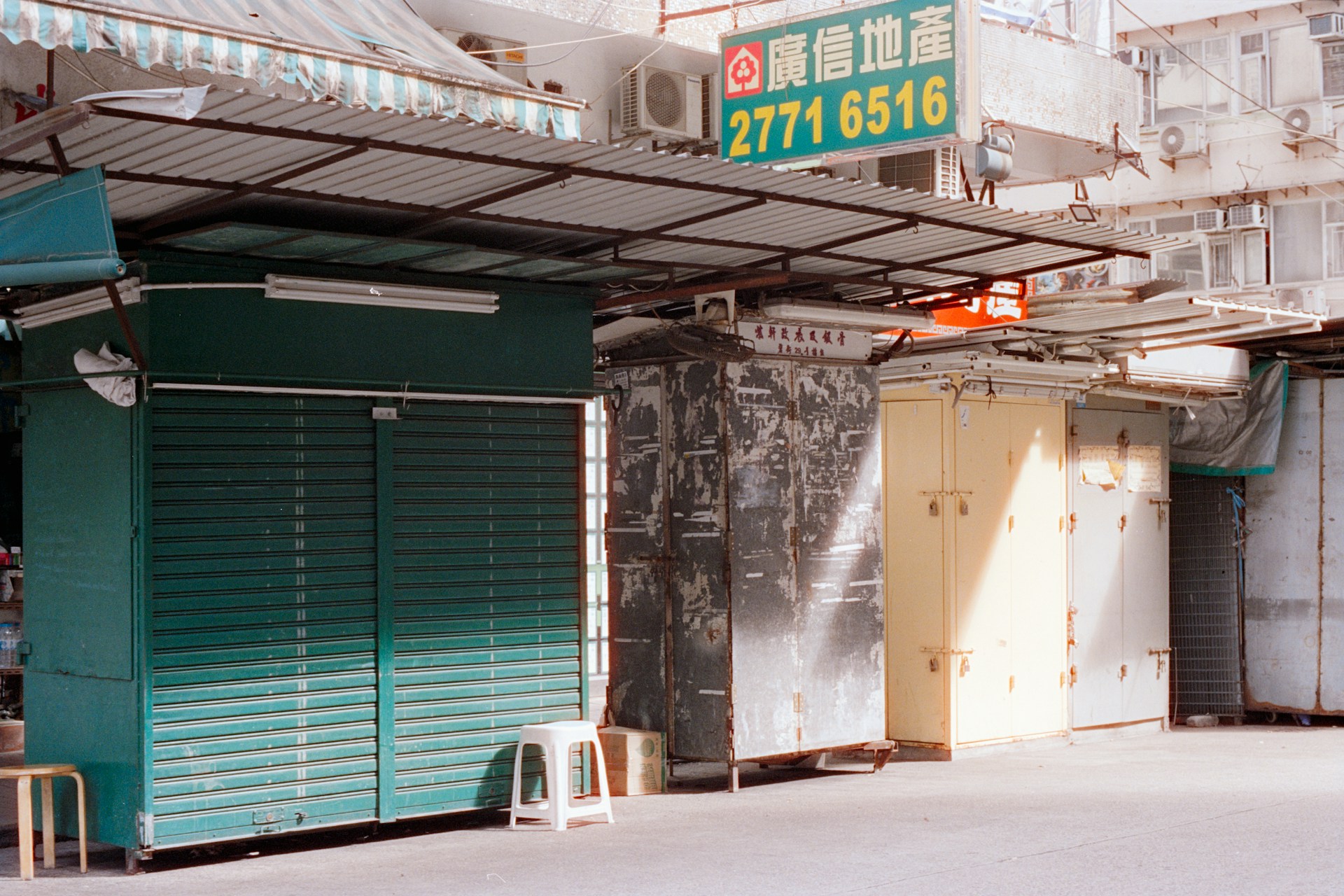
In the pre-dawn stillness of a Malaysian morning, a quiet alchemy begins. The metallic scrape of a rolling shutter cuts through the humid air, a single light bulb flickers on, and the day's first coffee pot begins to bubble. This is the moment a stall comes to life, transforming from a shuttered shell into a vibrant epicentre of community, commerce, and culinary heritage. From the iconic mamak stalls serving roti canai to the bustling pasar malam stands and sleek boutique kiosks in modern malls, these micro-enterprises form the lifeblood of Malaysia's local economy. Behind many of these successful ventures stands a crucial, yet often unseen, expert: the stall specialist. Far more than a simple fabricator, this professional is a designer, a strategist, a navigator of bureaucracy, and a partner in entrepreneurship, dedicated to building the physical and operational foundations upon which dreams and livelihoods are built.
The concept of a stall is deceptively simple, but its successful execution is a complex interplay of design, logistics, and human behaviour. A specialist’s work begins with understanding the profound role a stall plays. It is not merely a point of sale; it is a brand’s physical embodiment, a stage for the vendor’s craft, and a carefully orchestrated workspace. For the customer, it must be inviting, efficient, and memorable. For the vendor operating within it for twelve hours a day, it must be ergonomic, durable, and functionally flawless. A specialist approaches each project with this dual perspective, seeking to create a structure that enhances the customer experience while optimising the vendor’s workflow, safety, and profitability. Every decision, from the height of the counter to the placement of a power socket, is made with intentionality, balancing aesthetic appeal with relentless practicality.
The journey from a vendor’s idea to a bustling, operational stall is a comprehensive process that a specialist expertly guides. It all starts with a deep-dive consultation, a conversation that goes beyond dimensions and budgets to uncover the soul of the business. What is the signature dish or product? What is the desired brand personality—rustic and traditional, or modern and minimalist? What is the peak-hour customer volume? Understanding these nuances is critical. The specialist then translates this vision into a coherent design, often creating sketches or 3D renderings. This visual blueprint allows the vendor to see their future business, ensuring the layout supports an efficient workflow, from raw ingredient storage and prep area to cooking station, assembly point, and payment counter. This thoughtful design phase prevents costly and frustrating inefficiencies once the stall is operational, embedding smooth functionality into its very structure.
The concept of a stall is deceptively simple, but its successful execution is a complex interplay of design, logistics, and human behaviour. A specialist’s work begins with understanding the profound role a stall plays. It is not merely a point of sale; it is a brand’s physical embodiment, a stage for the vendor’s craft, and a carefully orchestrated workspace. For the customer, it must be inviting, efficient, and memorable. For the vendor operating within it for twelve hours a day, it must be ergonomic, durable, and functionally flawless. A specialist approaches each project with this dual perspective, seeking to create a structure that enhances the customer experience while optimising the vendor’s workflow, safety, and profitability. Every decision, from the height of the counter to the placement of a power socket, is made with intentionality, balancing aesthetic appeal with relentless practicality.
The journey from a vendor’s idea to a bustling, operational stall is a comprehensive process that a specialist expertly guides. It all starts with a deep-dive consultation, a conversation that goes beyond dimensions and budgets to uncover the soul of the business. What is the signature dish or product? What is the desired brand personality—rustic and traditional, or modern and minimalist? What is the peak-hour customer volume? Understanding these nuances is critical. The specialist then translates this vision into a coherent design, often creating sketches or 3D renderings. This visual blueprint allows the vendor to see their future business, ensuring the layout supports an efficient workflow, from raw ingredient storage and prep area to cooking station, assembly point, and payment counter. This thoughtful design phase prevents costly and frustrating inefficiencies once the stall is operational, embedding smooth functionality into its very structure.
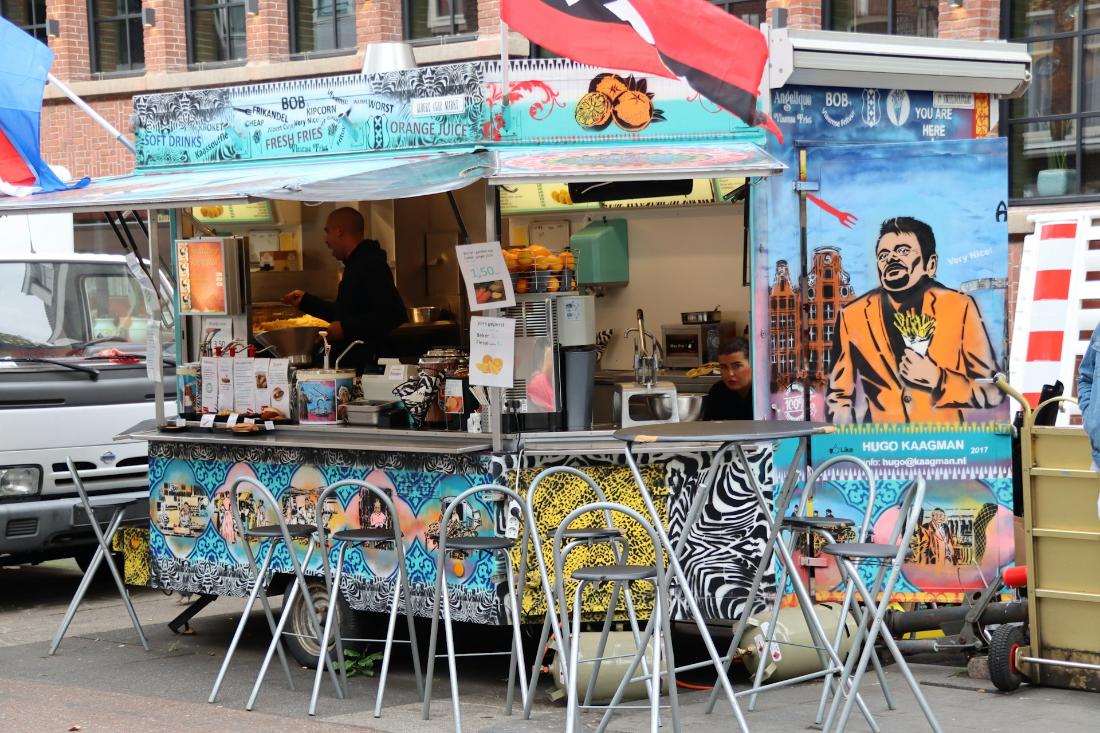
The material selection is where theory meets the harsh reality of daily use in Malaysia’s challenging environment. A stall must be a fortress of durability. Specialists are masters of material science, selecting components that can withstand relentless conditions. Stainless steel is a cornerstone material for its non-porous, easy-to-clean surface, essential for food stalls to meet health standards and resist grease and corrosion. For structural frames, powder-coated aluminium or galvanised steel offers strength without succumbing to rust in the humid climate. Work surfaces might utilise hardy solid wood or specialised laminates that resist cuts, stains, and heat. A specialist also plans for mobility and security, integrating robust wheel assemblies and locking systems for mobile stalls, or designing sturdy, permanent foundations for fixed locations. The goal is to build a stall that not only looks professional on day one but remains solid, safe, and presentable after years of monsoon rains, tropical sun, and constant use.
In the realm of food and beverage—a dominant sector for stalls—the specialist’s role expands into that of a hygiene and safety consultant. They are intimately familiar with the guidelines set by local authorities like the Ministry of Health (MOH) and local councils (Pihak Berkuasa Tempatan). This expertise directly informs the design. They ensure the stall incorporates mandatory elements like integrated handwashing basins with soap dispensers, proper food-grade waste segregation bins, and sufficient sneeze guards. Ventilation is engineered not for comfort alone but for safety, specifying powerful exhaust hoods and canopy systems that effectively remove heat, steam, and grease-laden air, protecting the vendor’s health and preventing fire hazards. The layout is designed to facilitate a logical flow from dirty to clean processes, reducing cross-contamination risks. By building compliance into the design, the specialist shields the vendor from potential fines and operational shutdowns, building a foundation for a reputable and lawful business.
The modern stall specialist is also a technological integrator, transforming a basic setup into a smart, efficient commercial unit. They design and install comprehensive electrical systems with sufficient amperage to safely run multiple high-wattage appliances simultaneously—a crucial consideration for stalls using induction cookers, blenders, and commercial fridges. Lighting is strategically planned; bright, shadow-free task lighting over prep areas, ambient lighting to create mood, and accent lighting to highlight menus or products. For vendors in pasar malams or at festivals, specialists integrate reliable portable power solutions, such as heavy-duty battery packs or silent generators. Furthermore, they facilitate the integration of point-of-sale (POS) systems, designing discreet cable management and creating dedicated, secure spaces for tablets, card readers, and receipt printers, enabling vendors to operate with the efficiency of a larger establishment.
In the realm of food and beverage—a dominant sector for stalls—the specialist’s role expands into that of a hygiene and safety consultant. They are intimately familiar with the guidelines set by local authorities like the Ministry of Health (MOH) and local councils (Pihak Berkuasa Tempatan). This expertise directly informs the design. They ensure the stall incorporates mandatory elements like integrated handwashing basins with soap dispensers, proper food-grade waste segregation bins, and sufficient sneeze guards. Ventilation is engineered not for comfort alone but for safety, specifying powerful exhaust hoods and canopy systems that effectively remove heat, steam, and grease-laden air, protecting the vendor’s health and preventing fire hazards. The layout is designed to facilitate a logical flow from dirty to clean processes, reducing cross-contamination risks. By building compliance into the design, the specialist shields the vendor from potential fines and operational shutdowns, building a foundation for a reputable and lawful business.
The modern stall specialist is also a technological integrator, transforming a basic setup into a smart, efficient commercial unit. They design and install comprehensive electrical systems with sufficient amperage to safely run multiple high-wattage appliances simultaneously—a crucial consideration for stalls using induction cookers, blenders, and commercial fridges. Lighting is strategically planned; bright, shadow-free task lighting over prep areas, ambient lighting to create mood, and accent lighting to highlight menus or products. For vendors in pasar malams or at festivals, specialists integrate reliable portable power solutions, such as heavy-duty battery packs or silent generators. Furthermore, they facilitate the integration of point-of-sale (POS) systems, designing discreet cable management and creating dedicated, secure spaces for tablets, card readers, and receipt printers, enabling vendors to operate with the efficiency of a larger establishment.
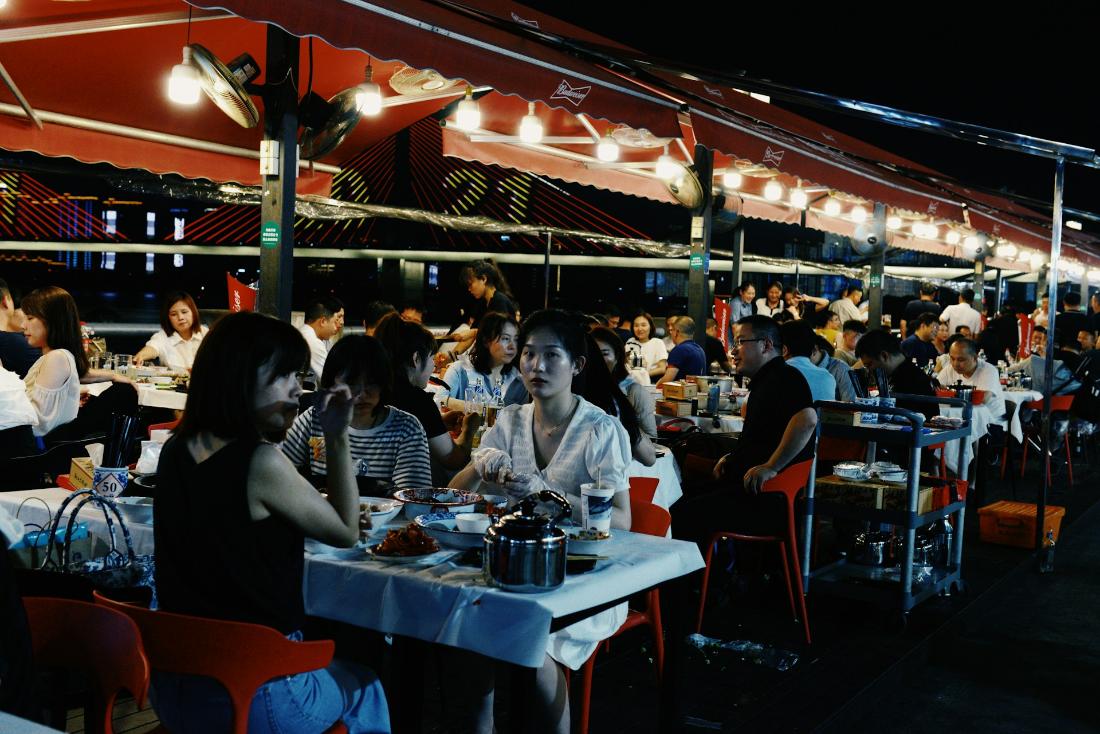
Navigating the logistical and regulatory landscape is a significant part of the specialist’s value. They understand that a stall does not exist in a vacuum. For a pasar malam vendor, the specialist designs for rapid assembly and disassembly, using lightweight yet sturdy materials and clever joinery that allows one person to set up in minutes. For a permanent stall in a hawker centre or food court, they manage the complex coordination with mall management or local councils, ensuring the design meets all fire safety codes, signage regulations, and tenancy agreements. This logistical prowess removes a massive administrative burden from the entrepreneur, allowing them to focus on their product and customers, confident that their physical setup is compliant and fit-for-purpose.
Perhaps the most inspiring aspect of a stall specialist’s work is their role as an enabler of dreams. They partner with a vast spectrum of entrepreneurs: the retiree starting a second act with a beloved kuih recipe, the young graduate eschewing the corporate ladder to launch a specialty coffee cart, the family unit preserving a generations-old recipe for asam laksa. For each, the specialist provides more than metal and wiring; they provide validation, practical advice, and a tangible step toward financial independence. They often advise on start-up strategies, suggesting modular designs that allow for future expansion or cost-effective material alternatives that preserve quality. In this relationship, the specialist is a catalyst, turning passion and skill into a viable, operational enterprise. They build the vessel that allows local flavours, crafts, and innovations to reach the market, directly contributing to the rich tapestry of Malaysian street culture and small business.
The diversity of stall types in Malaysia requires a specialist to be endlessly adaptable. They might be crafting a traditional wooden gerai for a weekend farmers' market, with a focus on rustic charm and display space for organic produce. The next project could be a sleek, fully-equipped kiosk for a mall atrium, selling trendy bubble tea, requiring customised bubble tea equipment stations and eye-catching LED lighting. They build robust merchandise stalls for artisanal crafts, with secure display cases and storage, and mobile carnival game booths designed for durability and quick engagement. This versatility is a testament to the specialist’s skill in listening and innovating, applying core principles of design, durability, and functionality across an incredible range of entrepreneurial visions.
Perhaps the most inspiring aspect of a stall specialist’s work is their role as an enabler of dreams. They partner with a vast spectrum of entrepreneurs: the retiree starting a second act with a beloved kuih recipe, the young graduate eschewing the corporate ladder to launch a specialty coffee cart, the family unit preserving a generations-old recipe for asam laksa. For each, the specialist provides more than metal and wiring; they provide validation, practical advice, and a tangible step toward financial independence. They often advise on start-up strategies, suggesting modular designs that allow for future expansion or cost-effective material alternatives that preserve quality. In this relationship, the specialist is a catalyst, turning passion and skill into a viable, operational enterprise. They build the vessel that allows local flavours, crafts, and innovations to reach the market, directly contributing to the rich tapestry of Malaysian street culture and small business.
The diversity of stall types in Malaysia requires a specialist to be endlessly adaptable. They might be crafting a traditional wooden gerai for a weekend farmers' market, with a focus on rustic charm and display space for organic produce. The next project could be a sleek, fully-equipped kiosk for a mall atrium, selling trendy bubble tea, requiring customised bubble tea equipment stations and eye-catching LED lighting. They build robust merchandise stalls for artisanal crafts, with secure display cases and storage, and mobile carnival game booths designed for durability and quick engagement. This versatility is a testament to the specialist’s skill in listening and innovating, applying core principles of design, durability, and functionality across an incredible range of entrepreneurial visions.
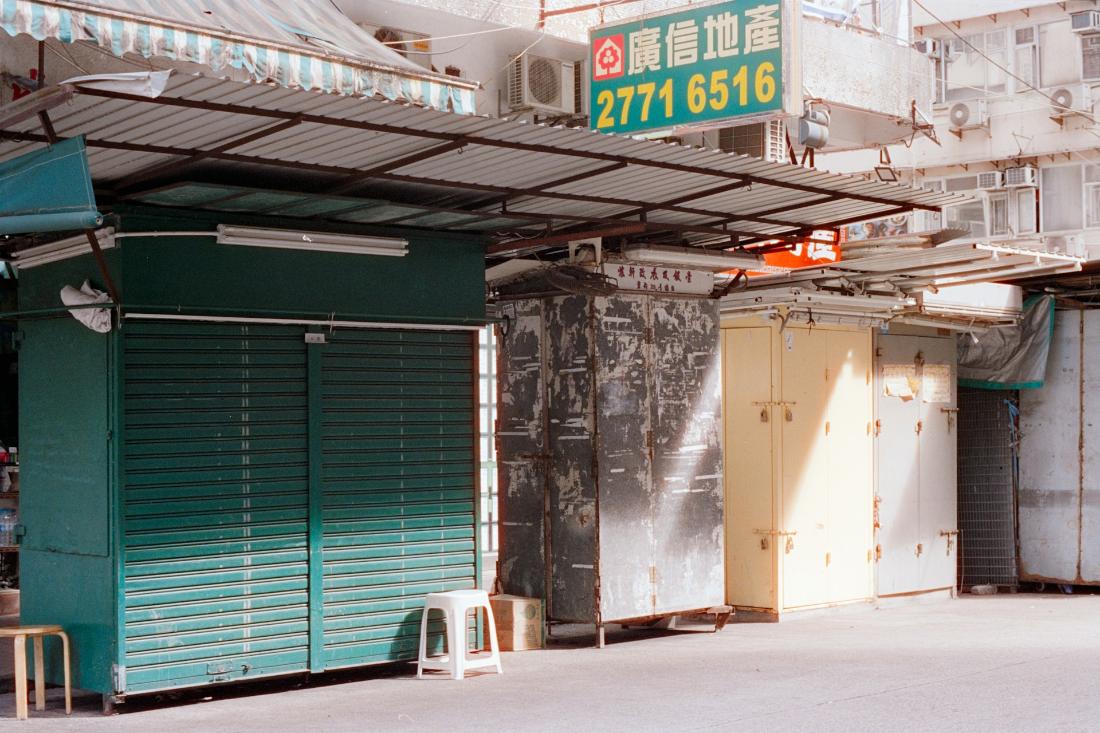

Ultimately, choosing to partner with a professional stall specialist is an investment in the very viability of the business. While makeshift setups or amateur constructions might seem to save money initially, they often lead to operational headaches, safety risks, and a poor brand image that drives customers away. A professionally built stall functions as a reliable partner. It works smoothly, endures the daily grind, presents the business in its best light, and ensures regulatory compliance. It is a tool for success, engineered to help the vendor serve more customers, work more comfortably, and build a stronger reputation. In the high-stakes, fast-paced world of stall commerce, where first impressions are everything and efficiency translates directly to profit, this foundation is not a luxury—it is a necessity.
In the grand narrative of Malaysia’s economy, the stall is a humble but mighty character. It is a testament to resilience, innovation, and the enduring spirit of entrepreneurship. The stall specialist works in the background, but their impact is front and centre in every successful operation. They are the unsung architects of our daily rituals—the morning kopi fix, the late-night sup tulang, the discovery of a handmade treasure. By crafting these spaces of possibility, they do more than build stalls; they help build communities, preserve culture, and fuel the dreams that keep the heart of Malaysia beating strong, one successful stall at a time.
In the grand narrative of Malaysia’s economy, the stall is a humble but mighty character. It is a testament to resilience, innovation, and the enduring spirit of entrepreneurship. The stall specialist works in the background, but their impact is front and centre in every successful operation. They are the unsung architects of our daily rituals—the morning kopi fix, the late-night sup tulang, the discovery of a handmade treasure. By crafting these spaces of possibility, they do more than build stalls; they help build communities, preserve culture, and fuel the dreams that keep the heart of Malaysia beating strong, one successful stall at a time.